How Do I Know What Programs to Uninstall on My Computer
Expect, what IS bloatware?
You know those programs and apps in your PC that you never asked for in the start identify? Toolbars, pre-installed trials…That's bloatware right at that place. It includes:
Preinstalled trials
When you got your PC, chances are it came with a few plan trials preinstalled by the manufacturer. And then they expired and started begging yous for coin. Antivirus software, video playback apps, and office tools are some of the most common offenders.
Junkware
More preinstalled programs that serve piddling or no purpose for y'all. "Solution centers", updaters, or other tools you might not need (or only in extremely rare cases). Here's an case: My Alienware gaming PC came with an app for downloading programs I may have purchased together with my PC, and a software updater which finds a whopping one (!) update per yr. Both of them useless to me, yet both kept running in the background.
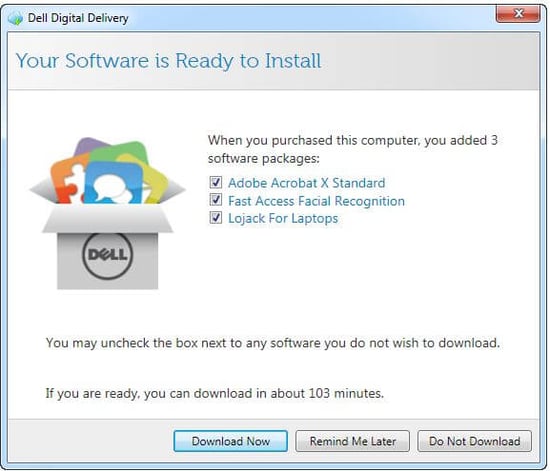
Who needs a ane-trick pony like this that can only updates a handful of apps? Uninstall!
If you're interested in keeping the near popular apps automatically up-to-appointment, y'all can do what I do and use PC TuneUp.
Adware and toolbars
You need these similar you need a bad cold earlier the holidays. These apps nest themselves in your browser or taskbar, and provide nothing of value other than displaying advertizement.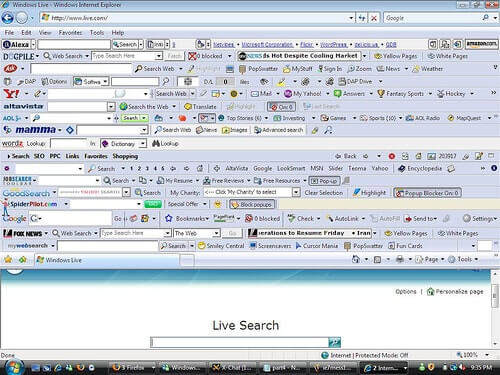
(Source: Superuser)
Ok, admittedly, that affair up there is the absolute toolbar apocalypse. But I've seen friends and family use browsers with enough hideous toolbars to make Satan weep.
Dangerous apps
Call back Superfish? Some programs you might have on your PC can pose a security risk — and should be taken care of immediately.
Programs you forgot you had, or never use
Yous very likely take programs buried in your hard deejay that you don't need anymore. At present these aren't mostly considered bloatware. Like an quondam pair of jeans yous bought and wore but once, you probably wanted these apps at some point in the by earlier y'all forgot they existed. But their upshot on your PC is pretty much the aforementioned: they take upward space on your hard disk and main retention, and sometimes continue on chugging along in the groundwork, slowing things down.
In fact, removing these apps is one of the first steps we recommend in reviving an older PC.
Less bloatware = more than infinite and a smoother PC
Obviously your mileage may vary here, depending wildly on how much digital gunk is clogging your item machine. But a thorough cleaning of your PC can easily event in masses of extra storage space, as you become rid of hundreds of megabytes — or even gigabytes — of stuff you lot don't need.
A very welcome extra benefit is that a lot of the apps you lot remove may take also have been running in the background of your PC. Once they're gone, they won't be bothering your processor or RAM anymore — which oft results in a smoother-running PC.
How to detect and uninstall programs you lot don't use
At that place are a few easy means of identifying those apps you no longer need:
ane. Regular uninstall
Go to your Control Panel in Windows, click on Programs and then on Programs and Features. You'll see a list of everything that's installed on your automobile. Go through that list, and ask yourself: do I *really* demand this plan? If the answer is no, hitting the Uninstall/Change button and get rid of it.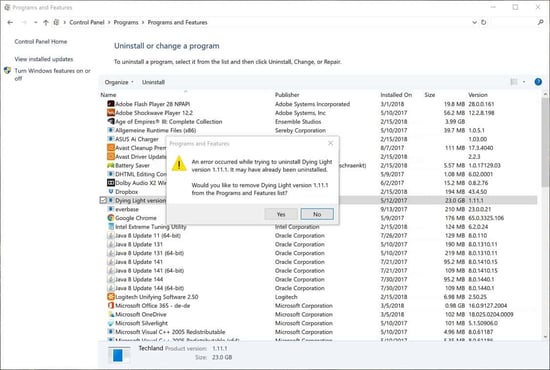
But sometimes things aren't then simple. How do y'all know what each program does, and whether you demand them or non? Some of them allow yous to run other programs or games. If you lot go rid of them, some of your apps might stop working. Examples of this are Microsoft Visual C++ Redistributable (from 2005-2017), Adobe Flash Player, DHTML Editing Component or Java.
Other applications, similar drivers and support programs, are related to your hardware. Figuring out which ones you really demand is tough: some sound drivers don't simply install the software required for your audio output (which you need), but also volume control programs (which you don't demand, as Windows has its own book control).
In cases like these, Google is your friend. In most cases, an online search for the name of the app or driver volition assist you figure out what y'all're looking at, and whether you need it or non.
Merely not always. The in a higher place screenshot from my own PC shows something called "Dolby Sound X2 Windows API". I googled information technology and establish that the official Dolby driver page wasn't really helpful. And so I simply uninstalled it and tested all my apps and games to run into if there was a divergence. At that place wasn't. Estimate I didn't need it after all.
2. Uninstall new or preinstalled Windows apps
This one's for Windows viii/x users. Aside from "traditional" desktop programs similar iTunes or Function, you at present also accept apps. They're more secure and isolated from the residual of the system, optimized for touch, and unremarkably easier to use. Windows comes with a lot of those apps preinstalled, and while some of them are useful (Photos, Mail, Calendar, Contacts), there are also a ****load of preinstalled apps you really don't want on your computer.
Click on the Showtime push button, so click on the piddling cog icon: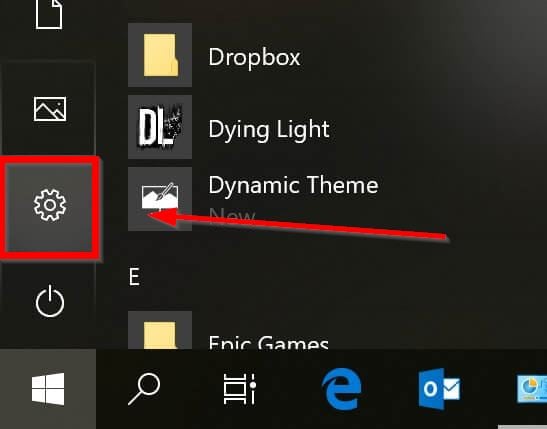
Now click on apps and go through the list. Marvel not just at the amount of apps you've got there, but likewise the sheer amount of infinite some of them gobble upwardly.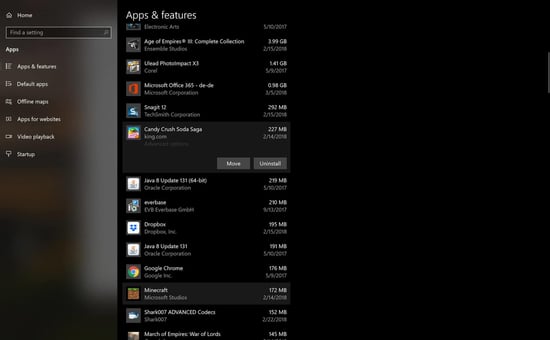
Excuse me? I just plant out that Microsoft has installed Candy Crush Soda Saga, Minecraft and March of Empires: War of Lords on my fresh Surface Book. I did not want this, and information technology'south taking up one-half a gig of storage. A click on Uninstall solves the trouble.
3. Uninstall apps you rarely apply
It'd be very helpful to know when yous terminal used an app, or whether you've actually used it at all. Windows doesn't tell you lot that, and so nosotros have built this feature into our AVG PC TuneUp suite (which you can attempt for costless!). Its Uninstall Manager lets you filter for large programs, recently installed programs, large programs, and more.
To run a search, open up PC TuneUp, click on Uninstall Unused Programs, and then Filter List.
4. Uninstalling apps from root folders and Program files folder
To make sure I haven't missed any programs and apps, when I practice my usual PC Spring cleaning (and by jump I mean weekly because I take digital cleanliness OCD), I go through the following folders on my hard deejay, and identify program folders that I don't recognize or may accept forgotten:
-
C:\ - The root folder of my hd. Some programs call up they're too absurd to save themselves in the appropriate app folders, and fix military camp here. Here I plant a game I haven't used in ages (Battle for Middle Earth II), and some leftover installation files from NVIDIA's graphic drivers. Delete!
-
C:\Programme Files - This is the default application folder for 64 bit applications.
-
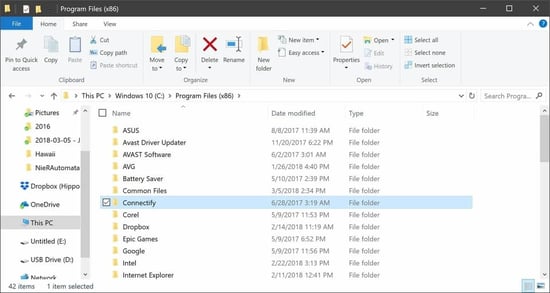
C:\Program Files (x86) - This is the default binder for 32 bit applications.
These folders also include some critical Windows programs, and while Windows won't let you delete things that are important to its functionality, you might all the same accidentally suspension something . That's why you should e'er google the folder proper noun to come across what others are maxim most it, and simply temporarily move it information technology to the Recycle Bin for a few days or weeks. If all your programs continue to work flawlessly, empty the bin!
5. For avant-garde users simply!
Windows has a "hush-hush" folder called "ProgramData", mostly designed to store some data or configuration files for your programs, and sometimes entire programs. Hither I institute folders from apps I haven't used in ages or uninstalled a long time ago.
To open up upwardly this folder, press the WINDOWS and R key on your keyboard at the same time. When the niggling box pops upwardly, type in %programdata% , like so...
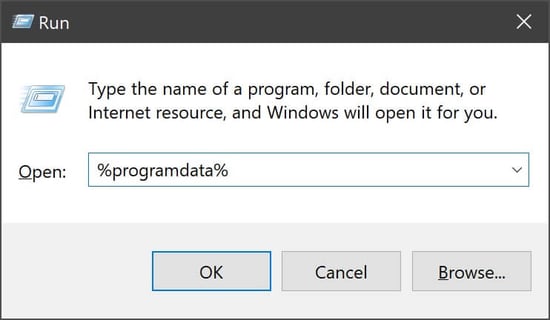
… and striking OK.
You *can* seriously break something if you mess around in hither. Only mess with this binder at your ain risk.
Place and delete "bloatware"
There are a few methods to search and destroy those preinstalled messy apps and $.25 of software nosotros talked about earlier:
Apply a dedicated tool
While at that place are tools out there that tin can notice some bloatware, to go rid of all of it, you should use a tool congenital specifically to detect and remove unwanted bloatware on your machine. With AVG TuneUp'southward built-in bloatware removal tool, you can clear out all the junk on your figurer , including any malware that has snuck in through malicious ads, and brand sure all your virtually of import software is kept up-to-appointment.
Uninstall manually
We've shown y'all how to open up the listing of all installed applications above. Use the same procedure, but specifically look out for applications from your PC maker (Dell, HP, Toshiba etc.), or entries that simply mention websites and services similar eBay.
Get rid of toolbars and add-ons
Toolbars might non always show up in your list of programs. To get rid of them, do this:
-
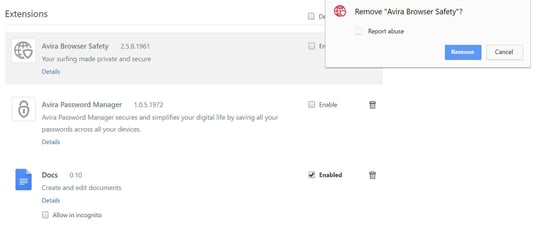
In Google Chrome Open up the browser and type chrome://extensions into the address bar. Hit Enter to encounter an overview of all plugins that are installed, which also includes toolbars. Get rid of the ones you don't need.
-
In Windows Edge: A chip more than complicated. Fire up Border and type in about:flags. Check the Enable extension developer features entry.
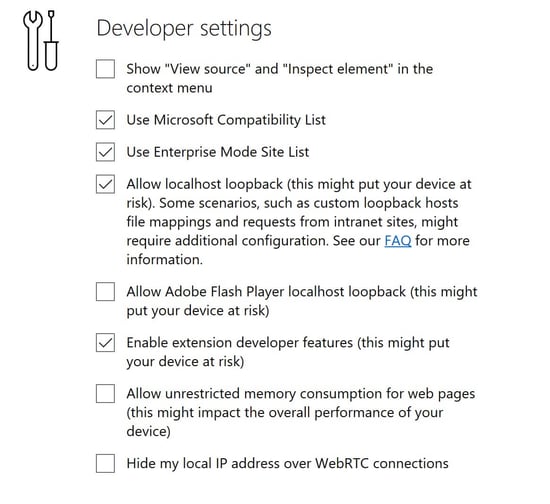
Restart Edge and click on the three piffling dots in the top right corner, so click on Extensions. Here you'll find a list of extensions and plugins you tin easily become rid of.
-
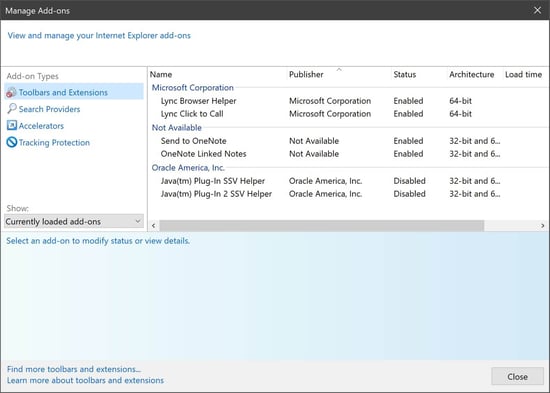
Internet Explorer: IE makes information technology a bit easier. Click on the picayune cog icon in the top right corner and go to Manage add-ons. From hither you can turn off all toolbars, search providers and extensions you don't need.
Happier PC? We have enough more optimizing tips for you lot
Cheque out our Ultimate Guide to speeding up and cleaning up your PC for more PC-boosting tips.
Source: https://www.avg.com/en/signal/how-to-get-rid-of-unnecessary-apps-on-your-pc
0 Response to "How Do I Know What Programs to Uninstall on My Computer"
Post a Comment